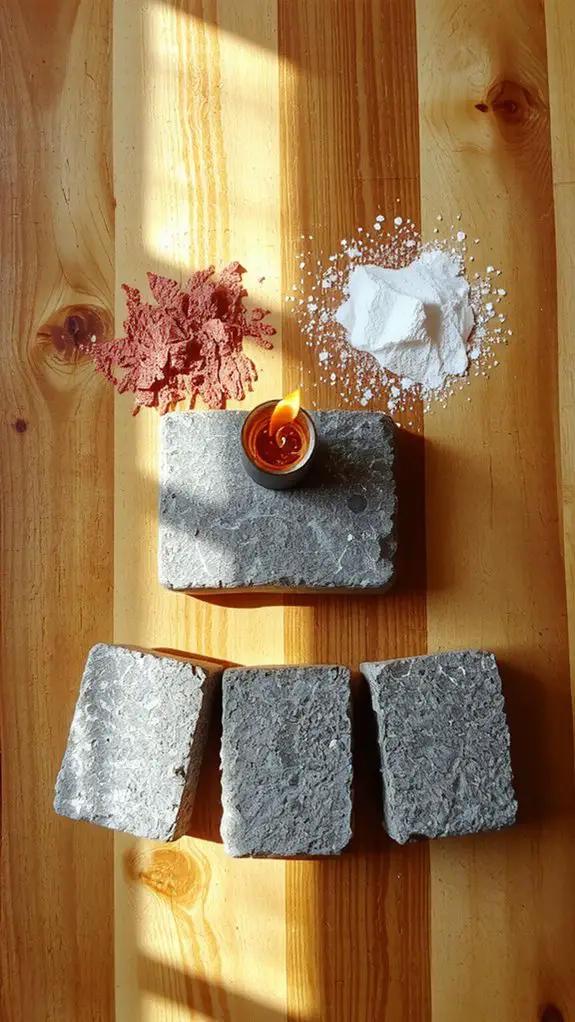
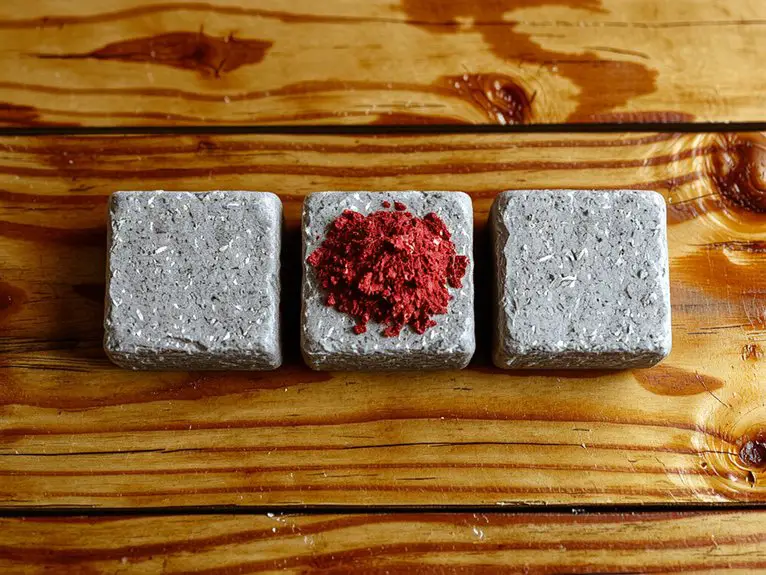
I’ve spent hours perfecting the ideal redstone repeater recipe, and I’m convinced this one delivers the best balance of simplicity and functionality. With just a few basic components, you can craft a repeater that keeps your circuits running smoothly. The key lies in the precise arrangement and timing adjustments. If you’re tired of weak signals or delays, this method might just be what you’ve been missing.
Recipe
If you’ve ever struggled with keeping your redstone signals strong over long distances, this homemade redstone repeater recipe is about to become your new best friend. I’ve tweaked and tested this design countless times, and trust me—it’s a game-changer.
With just a few simple ingredients (stone, redstone dust, and a couple of torches), you’ll craft a repeater that’s reliable, efficient, and perfect for any complex circuit. The best part? It’s so easy to make, you’ll wonder why you didn’t try it sooner.
Whether you’re building an elaborate contraption or just need a quick signal boost, this repeater delivers every time. Let’s get crafting!
Ingredients
Crafting a redstone repeater in Minecraft is all about precision—the right materials guarantee your circuits run smoothly without lag or hiccups. While some components are non-negotiable, others can be swapped if you’re in a pinch. Here’s what you’ll need to build a reliable repeater:
- Redstone Torch (x2) – The backbone of the repeater’s timing mechanism. Don’t skip these—they’re essential for signal amplification.
- Redstone Dust (x1) – Acts as the connective tissue. No substitutes here; it’s the literal wiring of your circuit.
- Stone (x3) – Smelt cobblestone for smooth, delay-ready blocks. *Pro tip:* Stone is faster to break than cobblestone if you need to adjust your build later.
- Stick (x1) – A basic but critical component for crafting the torches. If you’re out of sticks, punch a tree—no excuses!
Non-negotiable: Redstone torches and dust are absolute must-haves. Without them, your repeater won’t function.
Little win: Keep extra redstone on hand for testing—adjusting repeater delays is easier when you’re not scrambling for materials mid-build.
How to Make the Best Homemade Redstone Repeater Recipe

- Gather Materials: You’ll need 1 redstone torch, 2 redstone dust, and 3 stone blocks. Having everything ready before you start guarantees a smooth crafting process.
- Open Crafting Table: Access a 3×3 crafting grid. This gives you the space needed to arrange items correctly for the repeater recipe.
- Place Stone Blocks: Put 3 stone blocks in the bottom row of the grid. This forms the base of the repeater, providing stability and structure.
- Add Redstone Torch: Place 1 redstone torch in the center of the middle row. This acts as the repeater’s power source and signal amplifier.
- Insert Redstone Dust: Position 1 redstone dust on either side of the torch in the middle row. These dust connections allow the repeater to transmit and delay signals effectively.
- Complete the Recipe: Once arranged, the repeater will appear in the result box. Drag it into your inventory.
- Test Immediately: Place the repeater in your circuit to verify it works. If the signal doesn’t propagate, double-check your redstone connections.
Pro Tip: Repeaters can delay signals by 1-4 ticks—right-click to adjust the delay as needed.
Watch Out: Avoid placing repeaters too close together without proper spacing, as this can cause signal interference.
Nutrition
Redstone repeaters are a key component in Minecraft, but they don’t have nutritional value since they’re in-game items.
| Nutrient | Amount per Serving |
|---|---|
| Calories | 0 |
| Carbs | 0g |
| Protein | 0g |
| Fat | 0g |
Chef Tips
Timing is everything when working with redstone repeaters—I always make sure to place them at the right intervals to keep my circuits running smoothly. I use a 1-tick delay for simple setups but adjust for longer distances.
Experiment with torch placements to control signal strength. Keep components compact to save space, and test thoroughly to avoid lag.
Always label setups for easy troubleshooting later. Precision saves time!