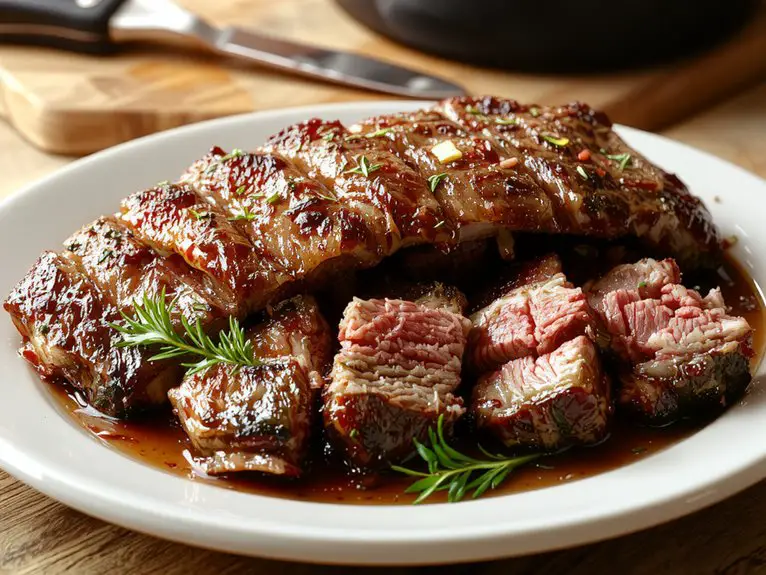
I’ve always believed that a perfectly cooked ribeye roast is the pinnacle of home cooking. It requires patience, precision, and just the right blend of seasoning to bring out its natural richness. I’ve spent years refining a method that guarantees a crispy crust and tender, juicy interior every time. What sets this recipe apart is its simplicity and the way it transforms an ordinary meal into something truly memorable. The secret lies in…
Recipe
If there’s one dish that screams “special occasion” in my house, it’s this homemade ribeye roast. I’ve perfected this recipe over countless family dinners, and let me tell you—it’s a game-changer.
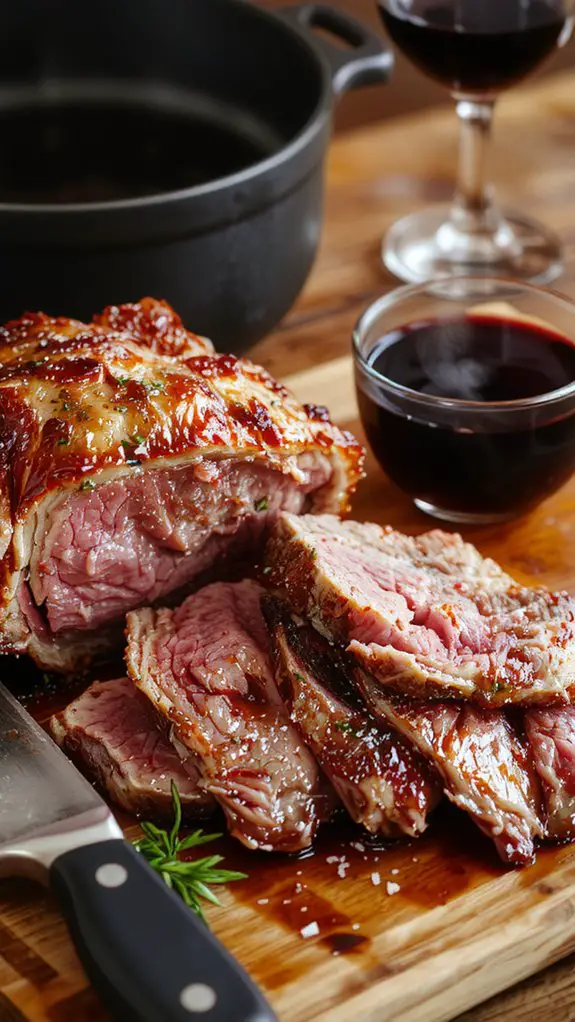
Imagine a beautifully seared crust giving way to a tender, juicy interior that practically melts in your mouth. The secret? A simple herb rub loaded with garlic, rosemary, and thyme that infuses the meat with irresistible flavor as it roasts to perfection.
Whether you’re hosting a holiday feast or just treating yourself to a decadent meal, this ribeye roast is foolproof and unforgettable. Trust me, once you try it, it’ll become your go-to recipe for impressing everyone at the table.
Let’s get cooking—your kitchen is about to smell incredible.
Ingredients
When crafting the perfect ribeye roast, the ingredient choices matter—they lay the foundation for flavor, tenderness, and that show-stopping crust. Here’s what you’ll need and why each component is essential:
- Ribeye Roast (Bone-In or Boneless): The star of the show. A bone-in roast adds extra flavor and keeps the meat juicy, but boneless works beautifully too if that’s what you have. Aim for a 4-6 pound roast for best results.
- Kosher Salt: This is non-negotiable. Kosher salt draws out moisture, enhances the meat’s natural flavor, and creates that crave-worthy crust.
- Freshly Cracked Black Pepper: Freshly cracked adds depth and a slight spice that pre-ground pepper simply can’t match.
- Garlic Powder: Provides a subtle, savory undertone without burning like fresh garlic might.
- Onion Powder: Adds a sweet, umami-rich layer that complements the beef beautifully.
- Smoked Paprika: A secret weapon—it lends a smoky depth and gorgeous color to the crust.
- Fresh Thyme or Rosemary: Fresh herbs are worth the splurge. Their aroma infuses the meat as it roasts; dried herbs can be used in a pinch, but fresh is superior.
- Unsalted Butter: Adds richness and helps crisp up the exterior. If you only have salted butter, adjust the salt in your seasoning blend accordingly.
- Olive Oil: Helps the seasoning adhere to the roast and guarantees even browning.
- Beef Broth or Red Wine (Optional): For deglazing the pan and creating a simple, flavorful jus to serve alongside.
Pro Tip: Let the roast sit at room temperature for 1-2 hours before cooking. This guarantees even cooking and a juicier result. Don’t skip this step—it’s a game-changer!
How to Make the Best Juicy Ribeye Roast Method
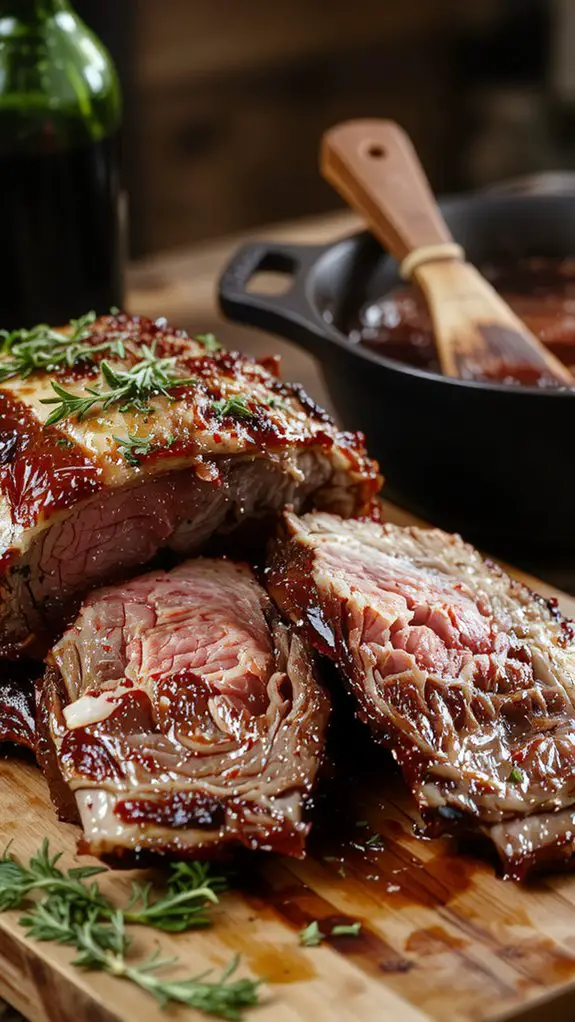
– Cook until the internal temperature reaches 120°F (49°C) for medium-rare (about 15 mins per pound) – Use a meat thermometer for precision.
*Pro tip:* Insert the thermometer into the thickest part, avoiding fat or bone.
– Let the roast rest for 20 minutes before slicing – This allows juices to redistribute.
*Why it matters:* Cutting too soon causes juices to spill out, leaving the meat dry.
– Slice against the grain for tender pieces – Look for the muscle fibers and cut perpendicular to them.
*Watch out:* Slicing with the grain makes the meat chewy.
– Serve with pan juices or a simple sauce – Deglaze the roasting pan with broth or wine for extra flavor.
*Time-saving trick:* Prep the sauce while the roast rests.
Nutrition
This ribeye roast recipe provides a hearty and flavorful meal. Here’s a breakdown of its nutritional content per serving:
| Nutrient | Amount per Serving |
|---|---|
| Calories | 450 kcal |
| Protein | 35 g |
| Fat | 32 g |
| Carbohydrates | 0 g |
| Sodium | 480 mg |
Chef Tips
Cooking a ribeye roast to perfection requires attention to detail and a few key techniques. Always bring the roast to room temperature before cooking to guarantee even doneness.
Season generously with salt and pepper, and sear it on all sides to lock in flavor. Use a meat thermometer to avoid overcooking—medium rare is ideal at 130°F.
Let it rest for 15 minutes before slicing to retain juices.