I’ve found that mastering a homemade roux can elevate even the simplest dishes to something extraordinary. It’s a balance of fat and flour, cooked just right to create the base for countless recipes. The key is in the technique—getting it smooth and achieving the perfect color without burning. Whether you’re aiming for a light, blond, or dark roux, there’s a method to suit your needs. What if I told you the secret lies in just two ingredients?
Recipe
Let me tell you, mastering homemade roux is a game-changer in the kitchen—once you’ve got it down, you’ll wonder why you ever relied on store-bought shortcuts.
This simple blend of butter and flour is the secret behind silky gravies, luxurious mac and cheese, and the richest gumbo you’ve ever tasted.
The key? Patience and a watchful eye to achieve that perfect golden hue and nutty aroma.
Whether you’re a seasoned cook or just starting out, this roux recipe will boost your confidence and elevate your dishes to restaurant-level greatness.
Trust me, once you taste the depth of flavor it brings, you’ll never look back. Let’s get cooking!
Ingredients
A great roux starts with just two simple ingredients, but the magic is in how you use them. The right fat and flour combo sets the foundation for everything from silky sauces to rich gumbos—here’s what you need and why it matters.
- Unsalted butter (or oil): Butter adds rich flavor for light roux (like in béchamel), while oil’s high smoke point is key for dark roux (hello, gumbo). *Pro tip:* Clarified butter works even better—no milk solids to burn! *Swap:* Use bacon fat or duck fat for extra depth.
- All-purpose flour: The gold standard for smooth texture. *Non-negotiable:* Don’t sub with gluten-free flour here—it won’t thicken the same way.
*Little win:* A pinch of salt in the roux seasons the dish from the ground up. For dark roux, a dash of cayenne or smoked paprika adds a sneaky layer of complexity.
How to Make the Best Classic French Roux Method
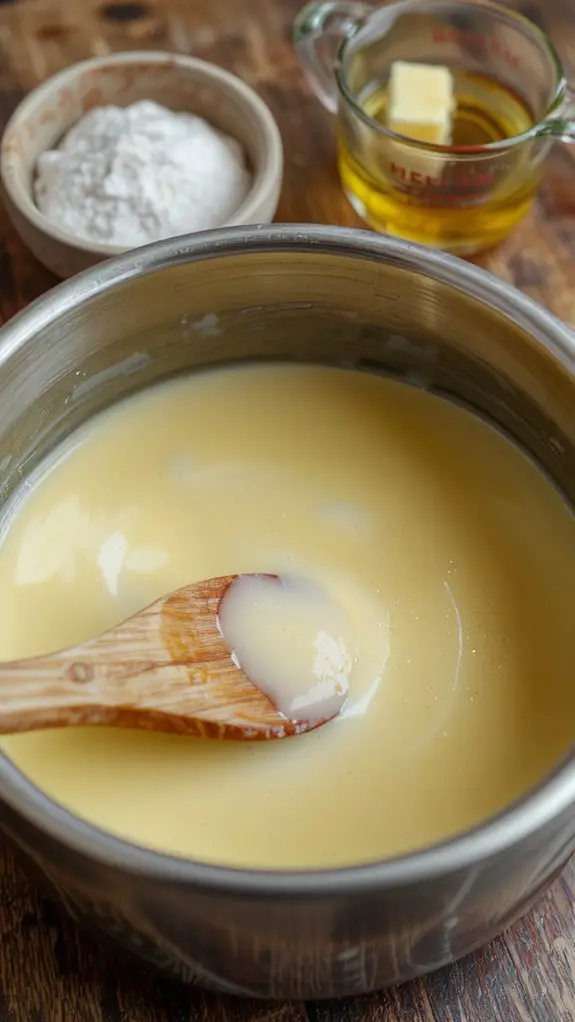
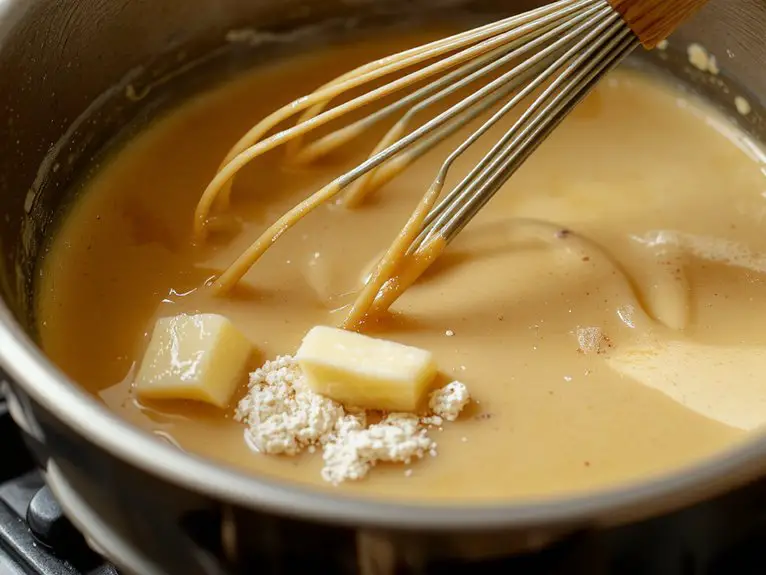
– Melt the butter over medium heat in a heavy-bottomed saucepan. Use unsalted butter for better control over the seasoning. Make sure the heat is consistent to avoid burning the butter.
*Pro Tip:* A heavy-bottomed pan distributes heat evenly, preventing hot spots that could scorch the roux.
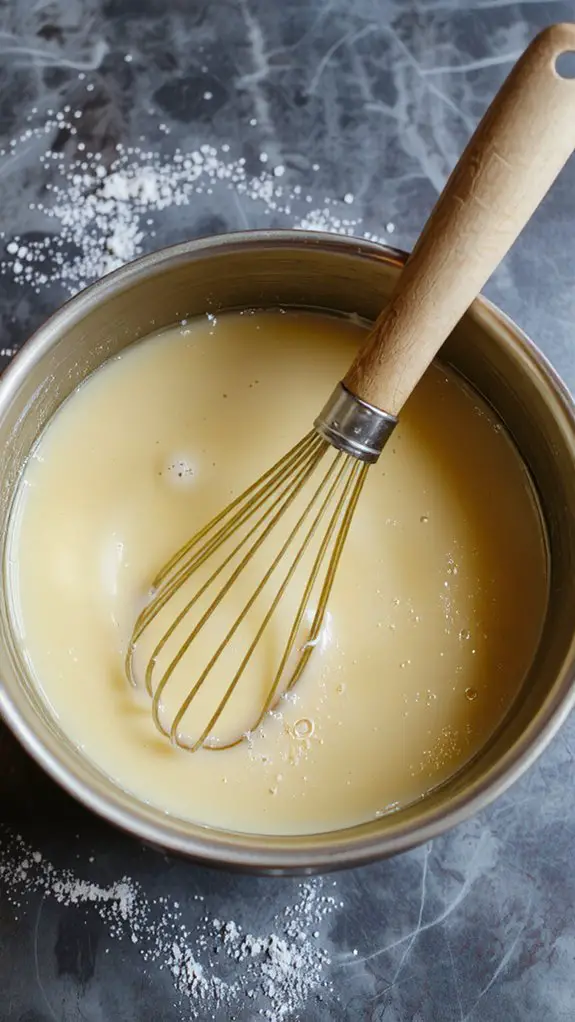
– Add the flour gradually as the butter melts. Whisk continuously to combine the flour and butter into a smooth paste. This mixture is called the “roux base.”
*Watch-Out:* Adding the flour too quickly can lead to clumping, so take your time.
– Cook the roux to your desired color, whisking constantly. For a white roux, cook for 1-2 minutes; for a blond roux, 3-5 minutes; and for a dark roux, 10-15 minutes. The darker the roux, the deeper the flavor but the less thickening power it has.
*Visual Cue:* A white roux will be pale and smooth, while a dark roux turns a rich brown color and develops a nutty aroma.
– Adjust the heat if necessary. If the roux starts to brown too quickly or smoke, lower the heat immediately.
*Why It Matters:* Roux can burn easily, and once it does, it’s unusable unless you start over.
– Remove from heat once the roux reaches the desired color. It will continue to cook slightly from residual heat, so pull it off the stove just before you think it’s done.
*Time-Saving Trick:* Make a large batch of roux and store it in the fridge for up to a week or freeze it for months.
– Let it cool slightly before using. If adding to a hot liquid, cool the roux for a few minutes to avoid splattering.
*Flexibility:* Adjust the thickness of your dish by adding more or less roux—remember, a little goes a long way!
Nutrition
Roux is a versatile base for many sauces and dishes. Here’s the nutritional breakdown per serving.
| Nutrient | Amount per Serving |
|---|---|
| Calories | 120 kcal |
| Fat | 10 g |
| Carbohydrates | 8 g |
| Protein | 1 g |
| Sodium | 150 mg |
Chef Tips
Making a great roux isn’t just about the ingredients—it’s about technique. I always use equal parts fat and flour by weight, not volume, for consistency.
Stir constantly to avoid burning, and keep the heat medium-low for darker roux or low for lighter ones. Patience is key—don’t rush it.
If it smells nutty and looks smooth, you’re on track. Use it immediately or cool it properly for storage.