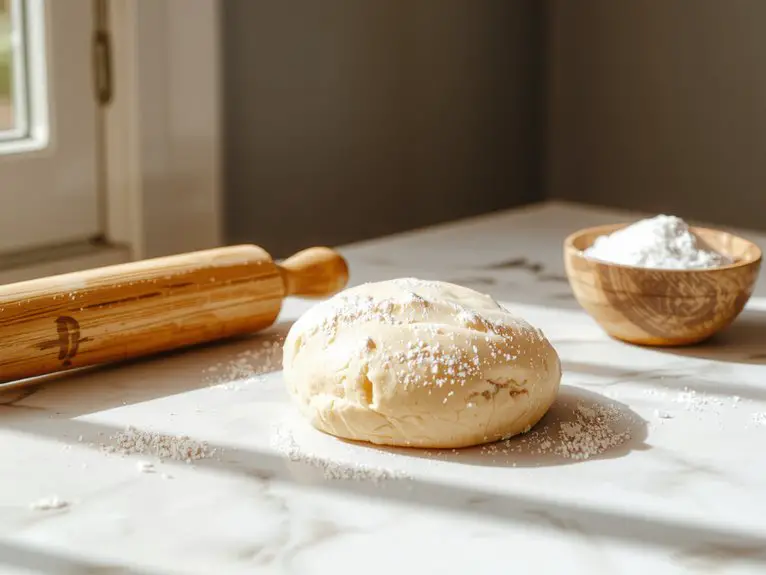
I’ve experimented with countless salt dough recipes over the years, but there’s one combination that consistently delivers the perfect balance of smoothness and durability. It’s simple, non-toxic, and ideal for creating long-lasting crafts. Whether you’re new to working with salt dough or looking to refine your technique, this recipe might just change the way you approach your projects. The secret lies in just a few key ingredients and a careful process.
Recipe
This salt dough recipe is hands down the easiest, most versatile project you’ll ever make—and I’m not exaggerating.
Whether you’re crafting with kids, creating holiday ornaments, or just need a fun DIY activity, this dough is your new best friend.
Made with just three simple ingredients you probably already have in your pantry, it’s soft, moldable, and bakes up beautifully for lasting creations.
I’ve used this recipe countless times with my niece, and every batch turns out perfectly smooth and easy to work with.
It’s forgiving, fast, and smells incredible as it bakes—like warm nostalgia in your kitchen.
Trust me, once you try it, you’ll be hooked on how effortless it’s to whip up and customize.
Let’s get crafting!
Ingredients
Crafting salt dough is incredibly simple, but the ingredients you choose can make all the difference in texture and durability. Let’s break it down so your creation turns out perfectly every time.
Essential Ingredients
- All-purpose flour: The backbone of the dough. It provides the structure, so don’t skimp on quality. Avoid self-rising flour—it’ll mess with the consistency.
- Salt: Adds durability to your finished pieces. Fine table salt dissolves evenly, but coarse salt can work if you don’t mind a bit of texture.
- Water: Use lukewarm water to help the dough come together smoothly. Cold water can make it too stiff.
Pro Tips
- For extra durability, add a tablespoon of white glue to the mix—it strengthens the dough without altering the texture noticeably.
- A teaspoon of vegetable oil can make the dough smoother and easier to work with, especially if you’re kneading a large batch.
Optional Additions
- Food coloring or paint: Mix in liquid or powder color to tint your dough before shaping. Acrylic paint works beautifully for post-baking touches.
- Essential oils: Add a drop or two for a pleasant scent. Citrus or lavender oils are great choices.
Substitutions
- Out of all-purpose flour? Bread flour can work, but the dough may be slightly tougher.
- No fine salt? Grind coarse salt in a spice grinder or blender for a similar effect.
With these ingredients, you’re set to create salt dough masterpieces that are both fun to make and durable enough to last.
How to Make the Best Homemade Salt Dough Instructions

– Bake low and slow – Place creations on parchment paper and bake at 200°F (95°C) for 2–3 hours, flipping halfway. They’re done when hard and dry.
Warning: High heat causes bubbling or browning.
– Cool completely before decorating – Let pieces cool for at least 1 hour. Painting or sealing too soon traps moisture, leading to cracks.
Pro tip: Use acrylic paint for vibrant, long-lasting colors.
– Store properly – Keep unused dough airtight for up to 3 days. Finished pieces last months in a dry place.
Warning: Humidity softens salt dough—seal with varnish if needed.
Nutrition
Salt dough is a simple, non-toxic material made from common kitchen ingredients. While not edible, it’s safe for kids to handle and play with.
| Nutrition Facts | Per 1 oz (28g) |
|---|---|
| Calories | 100 |
| Total Fat | 0g |
| Sodium | 500mg |
| Total Carbs | 25g |
| Protein | 0g |
Chef Tips
When working with salt dough, I’ve found it’s best to knead it thoroughly to guarantee it’s smooth and easy to shape. If it’s too sticky, add small amounts of flour until it reaches the right consistency.
For even baking, roll it to a consistent thickness. Seal unused dough in plastic wrap to prevent drying.
After baking, let it cool completely before painting or sealing for durability.