I’ve always found spaghetti squash to be a game-changer for those nights when I want something hearty but still light. Roasting it brings out its natural sweetness and softens it just enough to mimic pasta without the guilt. Pair it with your favorite sauce, and it’s surprisingly satisfying. There’s a trick to getting it just right, though, and it’s simpler than you’d think. Let me show you how to make it shine.
Recipe
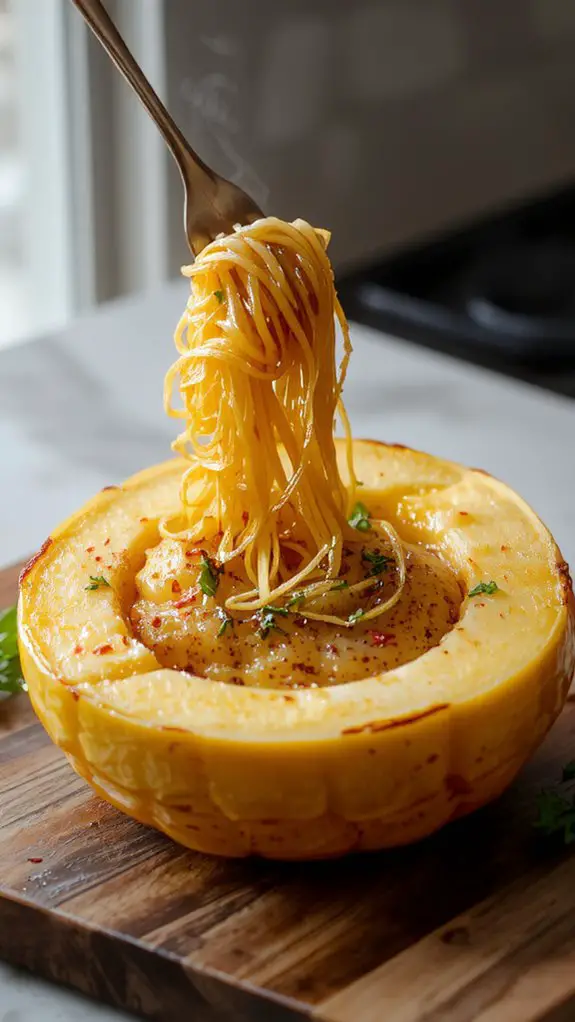
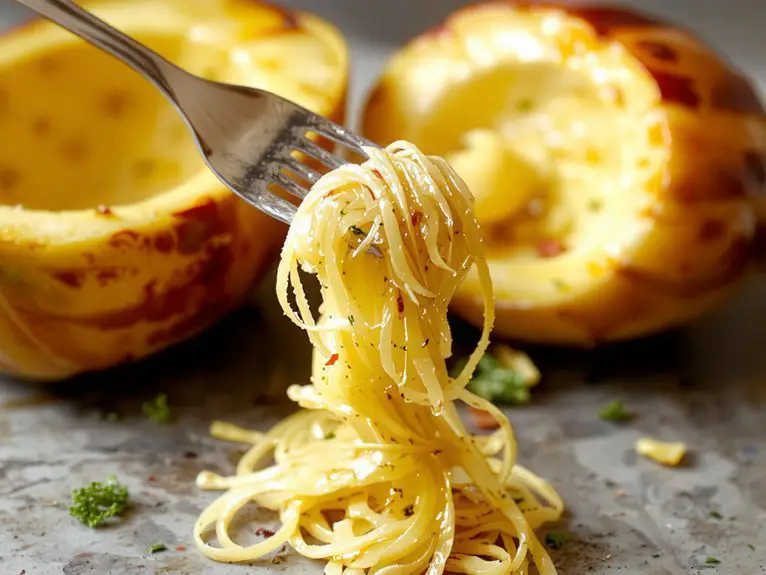
I can confidently say this spaghetti squash recipe will change the way you think about healthy meals—it’s *that* good. Roasted to perfection, the squash transforms into tender, golden strands that mimic the texture of pasta but with a unique, slightly sweet flavor.
Tossed with garlicky olive oil, fresh herbs, and a sprinkle of Parmesan, every bite is a symphony of savory, nutty, and aromatic goodness. What makes it special? It’s incredibly versatile—top it with marinara, pesto, or even a creamy Alfredo for something truly indulgent.
Plus, it’s a breeze to make. Whether you’re gluten-free, keto, or just looking to mix up your dinner routine, this dish is a total crowd-pleaser. Trust me, once you try it, it’ll be on repeat in your kitchen. Let’s get cooking!
Ingredients
Spaghetti squash is a versatile, low-carb alternative to pasta that shines with simple, fresh ingredients. The key is to let the squash’s natural flavor take center stage while using a few pantry staples to enhance its texture and taste. Here’s what you’ll need:
- 1 medium spaghetti squash – Look for one that feels heavy for its size, with smooth, unblemished skin. This guarantees maximum yield and freshness.
- Olive oil – A good-quality olive oil helps roast the squash evenly and adds richness. If you don’t have olive oil, avocado oil works perfectly.
- Salt and pepper – Kosher salt and freshly ground black pepper are essential for seasoning. Avoid table salt—it’s too fine and can overwhelm the dish.
- Garlic powder – Adds depth without the risk of burning fresh garlic during roasting. You can swap for minced garlic if you prefer, but add it toward the end of cooking.
- Fresh herbs (optional) – Parsley, basil, or thyme add a pop of color and freshness. Dried herbs can work in a pinch, but fresh is always better.
- Parmesan cheese (optional) – Grated Parmesan adds a savory, nutty finish. Pecorino Romano makes a great substitute if you’re out of Parmesan.
- Red pepper flakes (optional) – A pinch adds a subtle kick. Skip it if you’re not a fan of heat.
Pro tip: Don’t skimp on the olive oil—it’s what helps the squash caramelize and develop that rich, nutty flavor. Fresh herbs and Parmesan are optional but highly recommended for that restaurant-quality finish.
How to Make the Best Perfect Spaghetti Squash Method
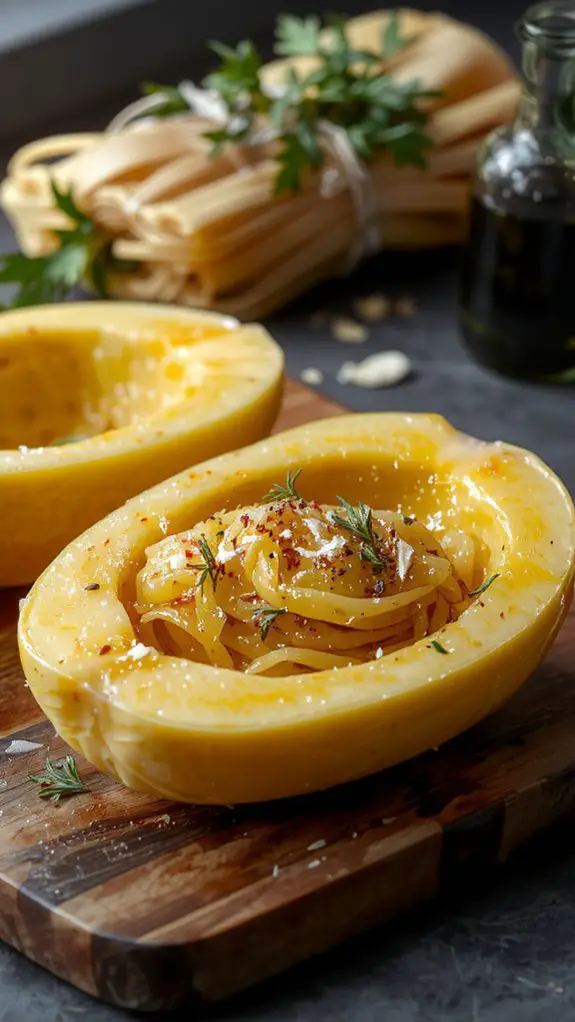
– Roast for 35–45 minutes. The squash is done when you can easily pierce the skin with a fork and the flesh is tender.
Keep an eye on it to avoid overcooking, which can make it mushy.
– Let the squash cool slightly before scraping. Give it about 5 minutes to cool, then use a fork to gently scrape the flesh into spaghetti-like strands.
Pulling the fork from top to bottom works best.
– Serve immediately or store for later. Enjoy the squash as is, or toss it with your favorite sauce or toppings.
If storing, keep it in an airtight container in the fridge for up to 3 days.
Nutrition
This spaghetti squash recipe is not only delicious but also packed with essential nutrients. Here’s the nutritional breakdown per serving:
| Nutrient | Amount |
|---|---|
| Calories | 42 |
| Carbohydrates | 10 g |
| Protein | 1 g |
| Fat | 0.4 g |
| Fiber | 2.2 g |
| Sugar | 3.9 g |
| Vitamin A | 2% DV |
| Vitamin C | 5% DV |
| Calcium | 2% DV |
| Iron | 2% DV |
Chef Tips
Mastering spaghetti squash starts with choosing the right one—I look for firm, unblemished squash with a matte finish.
Always pierce the skin with a fork before baking to prevent bursting.
Roast it cut-side down for evenly tender strands.
Use a fork to scrape the flesh gently; don’t overdo it or it’ll turn mushy.
Toss with olive oil, salt, and herbs for flavor before adding sauces.