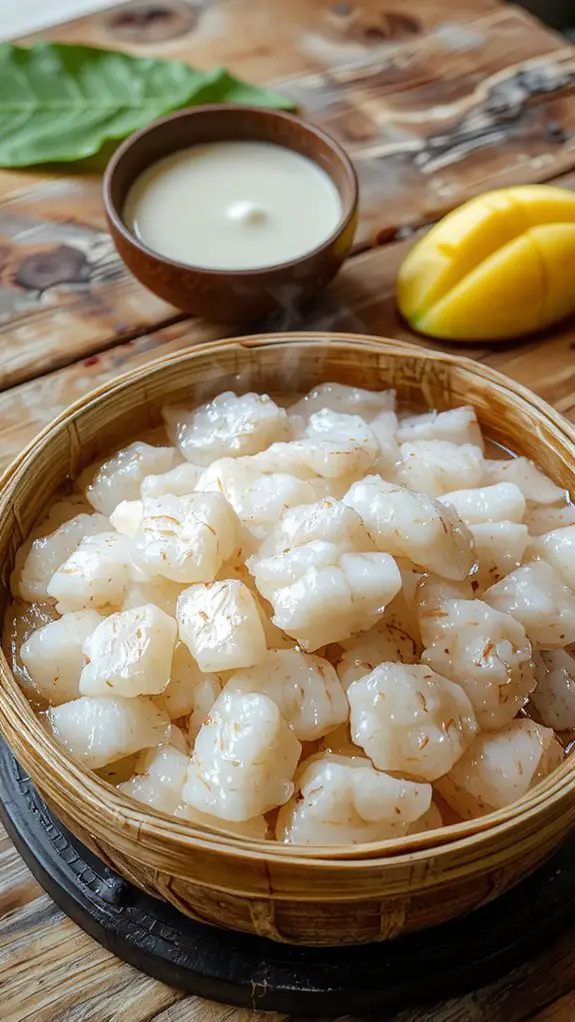
I’ve always believed that perfecting sticky rice at home is about balancing texture and flavor. With a few simple ingredients and the right technique, you can create a dish that’s both satisfying and versatile. Whether you’re pairing it with mango or enjoying it on its own, there’s a trick to getting that ideal chewiness and sweetness. Let me guide you through the steps to achieve a result that might just rival your favorite Thai restaurant.
Recipe
If there’s one dish that never fails to bring smiles to the table, it’s homemade sticky rice. Trust me, once you taste the perfect balance of chewiness and softness, you’ll understand why it’s a staple in so many cultures.
What sets this recipe apart is the simplicity—just two ingredients, but the technique makes all the difference. I’ve spent years perfecting this method, and I promise, it’s foolproof.
Picture fragrant, glossy grains that cling together beautifully, ready to soak up flavors or stand deliciously on their own. Whether you’re pairing it with savory dishes or enjoying it with a sprinkle of sugar, this sticky rice is pure comfort in every bite.
Let’s get cooking—it’s easier than you think, and the results are absolutely worth it.
Ingredients
Sticky rice is all about texture and flavor, and the right ingredients make all the difference. Glutinous rice is non-negotiable—it’s what gives the dish its signature chew. For the best results, soak the rice overnight to guarantee it cooks evenly.
Coconut milk adds richness, while sugar balances its natural creaminess. A pinch of salt is essential to elevate the sweetness without overpowering it. Here’s what you’ll need:
- Glutinous rice (sticky rice): Use Thai glutinous rice for authenticity—it’s the key to that chewy, sticky texture.
- Coconut milk: Full-fat coconut milk guarantees a creamy, luxurious finish. Light versions work in a pinch but won’t be as indulgent.
- Sugar: Granulated sugar works perfectly, but palm sugar adds a caramel-like depth if you have it.
- Salt: Just a pinch to balance the sweetness and enhance the flavors.
- Water: For soaking and steaming the rice—don’t skip the soaking step!
- Optional Garnishes: Toasted sesame seeds or shredded coconut add a nice crunch and visual appeal.
Pro Tip: If you’re out of coconut milk, a blend of heavy cream and a touch of coconut extract can mimic the flavor, though it won’t be quite as rich. Always opt for high-quality coconut milk—it’s worth the splurge for the silky texture and authentic taste.
How to Make the Best Authentic Thai Sticky Rice

– Soak the rice overnight. Place the sticky rice in a large bowl and cover it with water. Let it soak for at least 4 hours, preferably overnight. This softens the grains and guarantees they cook evenly.
*Pro Tip:* If you’re short on time, soak the rice in warm water for 1-2 hours, but overnight soaking yields the best texture.
– Prepare your steaming setup. Fill a pot with water and place a steamer basket or colander on top, making sure the water doesn’t touch the rice.
Line the steamer with cheesecloth or a clean kitchen towel to prevent the rice from sticking.
*Watch-Out Warning:* Avoid letting the rice touch the water directly, as it will become mushy instead of sticky.
– Steam the rice. Drain the soaked rice thoroughly and spread it evenly in the steamer. Cover with a lid and steam over medium heat for 20-25 minutes.
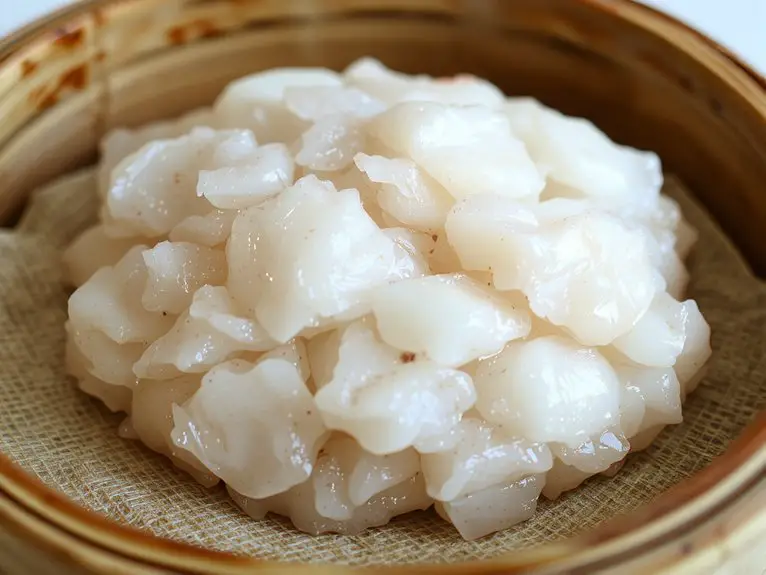
*Visual Cue:* The rice is done when the grains are translucent and tender yet remain slightly chewy.
– Check for doneness. Test a grain by pressing it between your fingers. It should hold together and feel sticky but not mushy.
*Pro Tip:* If the rice isn’t fully cooked, sprinkle a little water over it and steam for another 5 minutes.
– Let it rest. Remove the rice from the steamer and let it sit, covered, for 5 minutes to allow the steam to distribute evenly.
*Why This Matters:* Resting helps the rice achieve that perfect sticky texture.
– Serve immediately. Sticky rice is best enjoyed fresh and warm. Use it as a base for savory dishes or pair it with sweet toppings like mango and coconut milk.
*Flexibility:* Leftover sticky rice can be reheated by steaming for a few minutes to restore its texture.
Nutrition
Sticky rice is a nutritious and versatile dish. Here’s the nutritional breakdown per serving.
| Calories | Protein | Carbohydrates | Fat | Fiber |
|---|---|---|---|---|
| 168 kcal | 3.5 g | 37 g | 0.5 g | 1.7 g |
Chef Tips
To achieve the perfect texture for your sticky rice, I always soak the rice for at least four hours before cooking. This softens the grains, ensuring they cook evenly.
I use a bamboo steamer for authenticity, but a regular steamer works too. Keep the heat consistent and avoid lifting the lid while steaming.
Finally, let the rice rest for 10 minutes after cooking to enhance its stickiness.