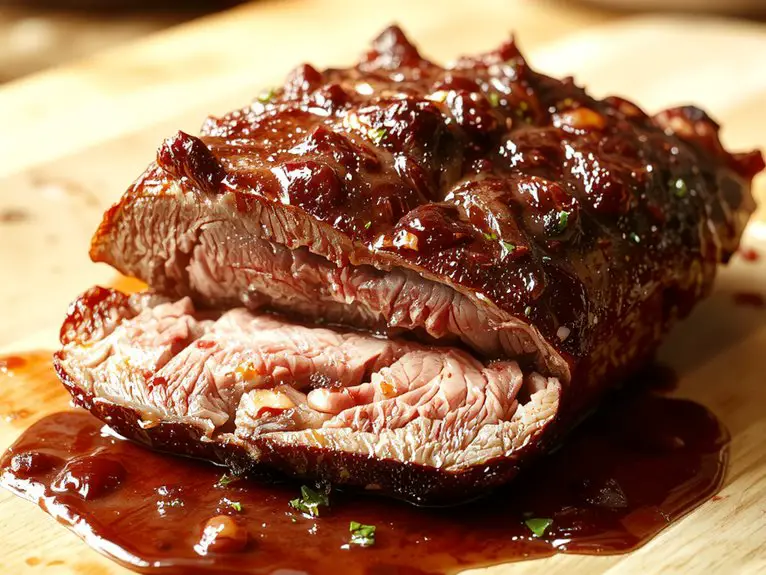
I’ve always believed that mastering the perfect roast beef at home is about balancing simplicity and technique. Choosing the right cut, seasoning it properly, and cooking it to just the right temperature can make all the difference. There’s a method I’ve refined over time that *guarantees* a tender, flavorful result every time. But the real secret lies in the details, which I’ll share—once you see it, you’ll understand why this recipe stands out.
Recipe
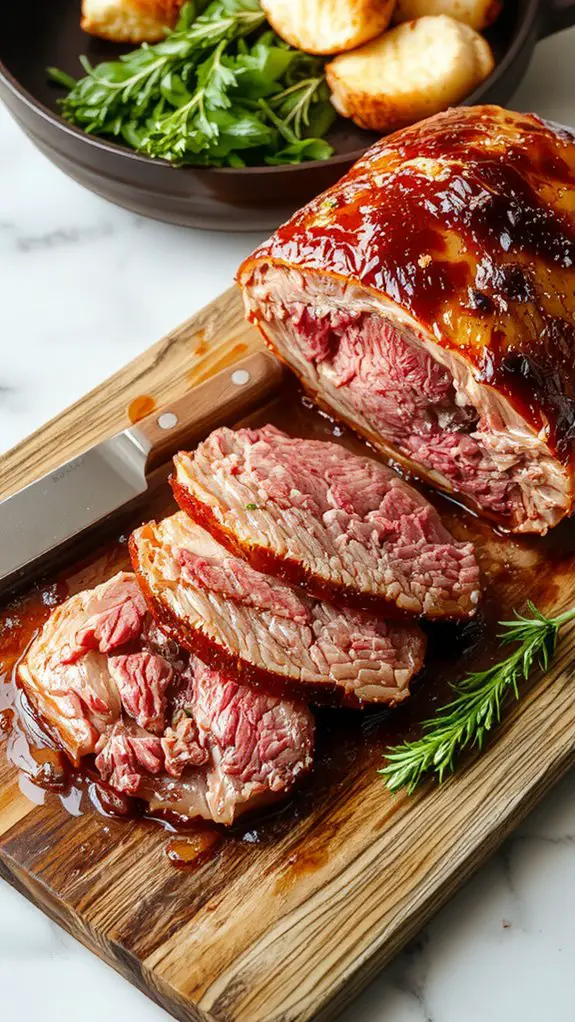
There’s something undeniably special about a perfectly cooked roast beef—juicy, tender, and packed with rich, savory flavor that makes it the star of any meal. This homemade version is the real deal, with a golden-brown crust, melt-in-your-mouth texture, and a depth of taste that’ll have everyone asking for seconds.
The secret? A simple yet powerful blend of herbs and a slow-roasting method that locks in every drop of moisture. Whether it’s a Sunday dinner or a holiday feast, this roast beef recipe delivers every time—no fancy skills required, just patience and a love for good food.
Trust me, once you taste that first slice, you’ll never go back to store-bought again.
Ingredients
Opting for the right ingredients is vital for a perfectly tender and flavorful roast beef. Let’s jump into what you’ll need, with some insider tips to elevate your dish.
- Beef Roast (3-4 lbs): Choose a well-marbled cut like ribeye, top sirloin, or eye of round. Fat equals flavor and moisture—don’t skimp here!
- Kosher Salt (2 tbsp): Essential for seasoning. Its coarse texture adheres better and enhances the meat’s natural taste.
- Freshly Ground Black Pepper (1 tbsp): Adds depth and a subtle kick. Freshly ground is a game-changer—don’t use pre-ground.
- Garlic (4 cloves, minced): Infuses the roast with aromatic richness. Fresh garlic beats powdered any day.
- Rosemary (2 sprigs, chopped): Adds earthy, herby notes. Fresh rosemary is non-negotiable for its vibrant flavor.
- Thyme (2 sprigs, chopped): Complements the rosemary beautifully. Fresh thyme is worth the extra effort.
- Olive Oil (2 tbsp): Helps the seasoning stick and creates a crispy crust. Extra virgin is ideal for its robust flavor.
- Red Wine (1 cup, optional): Adds richness to the pan drippings. Use dry red like Cabernet Sauvignon or Merlot. Substitute with beef broth if needed.
- Beef Broth (1 cup): Enhances moisture and makes a killer gravy. Opt for low-sodium to control saltiness.
Pro Tips:
- Let the roast sit at room temperature for 30 minutes before cooking for even doneness.
- Pat the beef dry with paper towels before seasoning—this guarantees a crisp, golden crust.
- Fresh herbs are a must here; dried just won’t deliver the same punch.
Extras:
Add a couple of halved onions and carrots to the roasting pan for extra flavor and a built-in side dish. They caramelize beautifully and complement the beef.
How to Make the Best Perfect Roast Beef Guide
- Transfer the roast to a roasting pan or oven-safe dish, fat side up. The fat will render during cooking, basting the meat and keeping it moist.
- Insert a meat thermometer into the thickest part of the roast, avoiding bone or fat. This guarantees you can monitor the internal temperature accurately.
- Roast for 15 minutes at 450°F (232°C), then reduce the heat to 325°F (163°C). The initial high heat creates a crust, while the lower heat cooks the roast evenly.
- Check the temperature periodically. For medium-rare, aim for 130-135°F (54-57°C); for medium, 140-145°F (60-63°C).
Remove the roast 5°F (3°C) below your desired temperature, as it will continue to cook while resting.
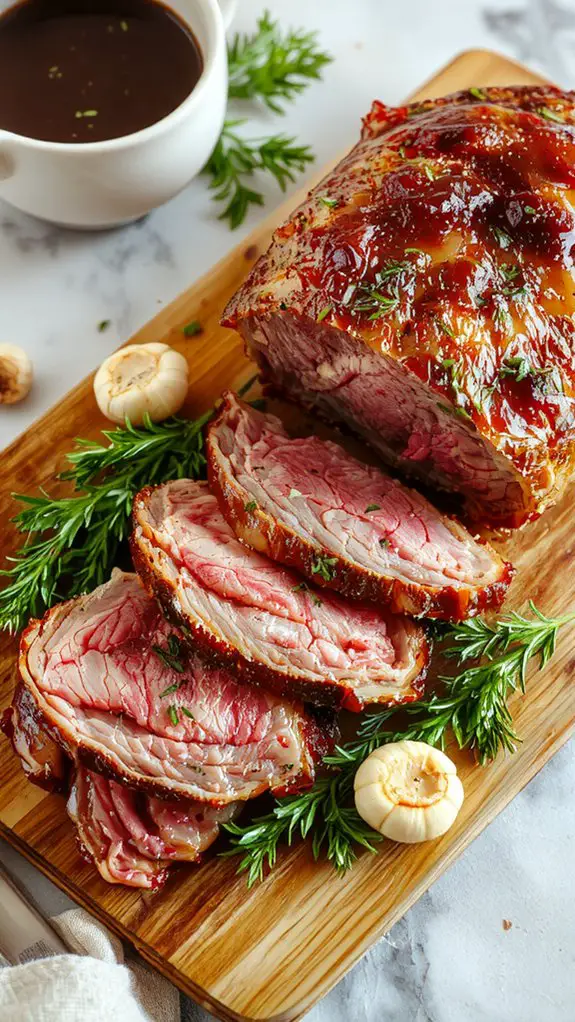
- Let the roast rest for 15-20 minutes under loosely tented foil. Resting allows the juices to redistribute, securing a tender and juicy result.
- Slice against the grain for maximum tenderness. Look for the direction of the muscle fibers and cut perpendicular to them for the best texture.
Pro Tip: Use the pan drippings to make a quick gravy by deglazing with broth or wine and thickening with a cornstarch slurry.
Watch Out: Avoid overcooking—roast beef is best when cooked to medium-rare or medium. Overcooked beef can become tough and dry.
Flexibility: Adjust cooking times slightly based on the size and shape of your roast. A thicker roast will take longer to cook through evenly.
Nutrition
This homemade roast beef recipe provides a rich source of protein and essential nutrients. Here’s the nutritional breakdown per serving:
| Calories | Protein | Fat | Carbohydrates | Sodium | Cholesterol |
|---|---|---|---|---|---|
| 350 | 35g | 20g | 2g | 500mg | 100mg |
Chef Tips
To achieve the perfect roast beef, I always let the meat rest at room temperature for about an hour before cooking—it helps secure even roasting and juicier results.
I season generously with salt, pepper, and herbs, then sear in a hot pan to lock in flavor.
Using a meat thermometer confirms it’s cooked to your preference.
Finally, I let it rest before slicing to keep it tender and moist.