The Best Homemade Red Snapper Recipe
Our best homemade red snapper recipe reveals the secret to perfectly crispy skin and bold flavors—discover the one step that changes everything.
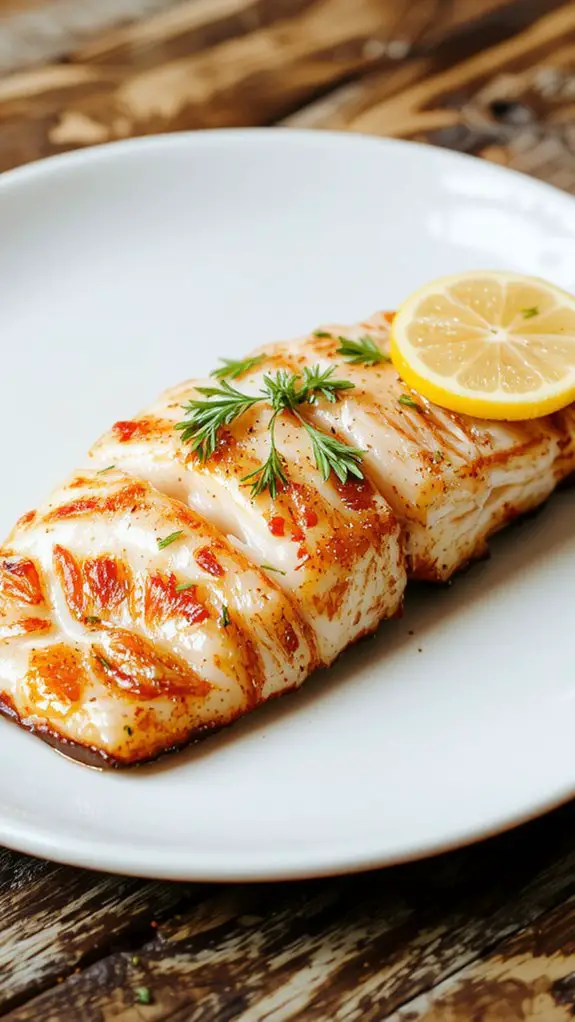
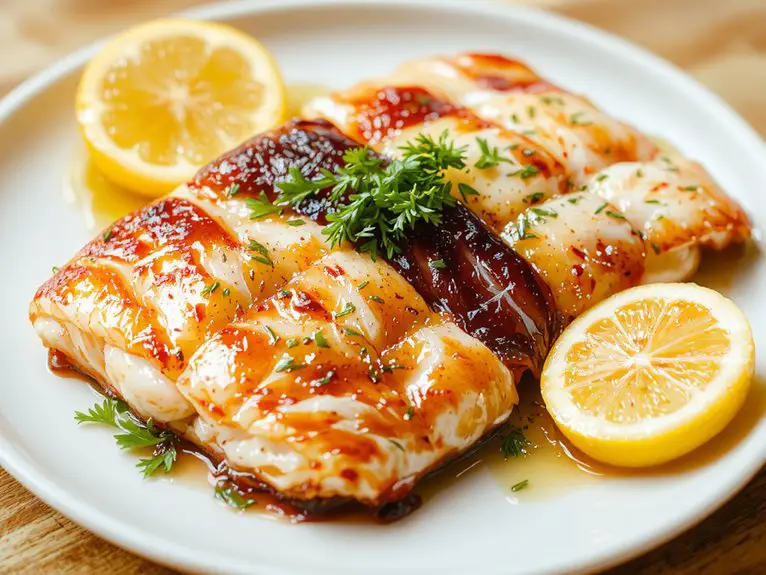
I’ve always found red snapper to be a versatile fish that’s easy to elevate with simple techniques. The key lies in achieving that perfect balance of crispy skin and tender flesh, paired with bold yet complementary flavors. While it might seem like a restaurant-only dish, I’ve discovered a method that brings it straight to your kitchen. There’s one step that makes all the difference—let me show you how to master it.
Recipe
This red snapper recipe is hands down the best way to showcase this delicate, flavorful fish—trust me, it’s a game-changer.
What makes it special? Fresh red snapper fillets, perfectly seared to crispy perfection on the outside while staying moist and tender inside.
A bright, zesty marinade with garlic, lemon, and herbs infuses every bite with vibrant flavor, and a quick pan-sear locks in that irresistible texture.
I’ve made this for countless dinners, and it never fails to impress—whether it’s a casual weeknight meal or a fancy gathering.
The aroma alone will have everyone crowding the kitchen, and the taste? Pure coastal bliss.
You’ll wonder why you ever ordered fish at a restaurant when you can whip this up at home with such ease.
Let’s get cooking—you’re about to master a dish that’s as simple as it’s sensational.
Ingredients
For this red snapper recipe, the ingredients are selected to highlight the fish’s delicate flavor while adding layers of depth and freshness. Don’t skimp on quality here—fresh, high-quality ingredients will make all the difference. Here’s what you’ll need, along with some insider tips and swaps to make it your own:
For the Fish:
- Red snapper fillets (skin-on) – This is the star of the dish. Skin-on fillets get beautifully crispy when seared. Freshness is key—look for firm, bright flesh with a clean, ocean-like smell.
- Salt and freshly ground black pepper – Essential for seasoning. Freshly cracked pepper adds a brighter flavor.
- Olive oil or avocado oil – Use a high-heat oil for searing to achieve that perfect golden crust.
For the Flavor Base:
- Garlic (minced) – Adds depth and aroma. Fresh garlic is non-negotiable for maximum flavor.
- Fresh ginger (grated) – A touch of ginger brings warmth and brightness. Swap with 1/2 tsp ground ginger if fresh isn’t available.
- Lemon (zested and juiced) – Fresh lemon zest is a must for that vibrant, citrusy punch. Bottled juice works in a pinch, but fresh is ideal.
- Fresh parsley or cilantro (chopped) – Adds a fresh, herbaceous finish. Use whichever you prefer or have on hand.
- Red chili flakes – For a touch of heat. Omit if you prefer it mild.
For Extra Depth (Optional but Recommended):
- White wine or chicken broth – Deglaze the pan for a flavorful sauce. Use broth if avoiding alcohol.
- Butter – A small pat at the end enriches the sauce and adds a luxurious finish.
Little Wins:
- Garnish with extra lemon wedges and a sprinkle of fresh herbs for a restaurant-worthy presentation.
- Add a handful of cherry tomatoes or sliced bell peppers to the pan while cooking for a burst of color and sweetness.
How to Make the Best Pan-Seared Red Snapper Recipe
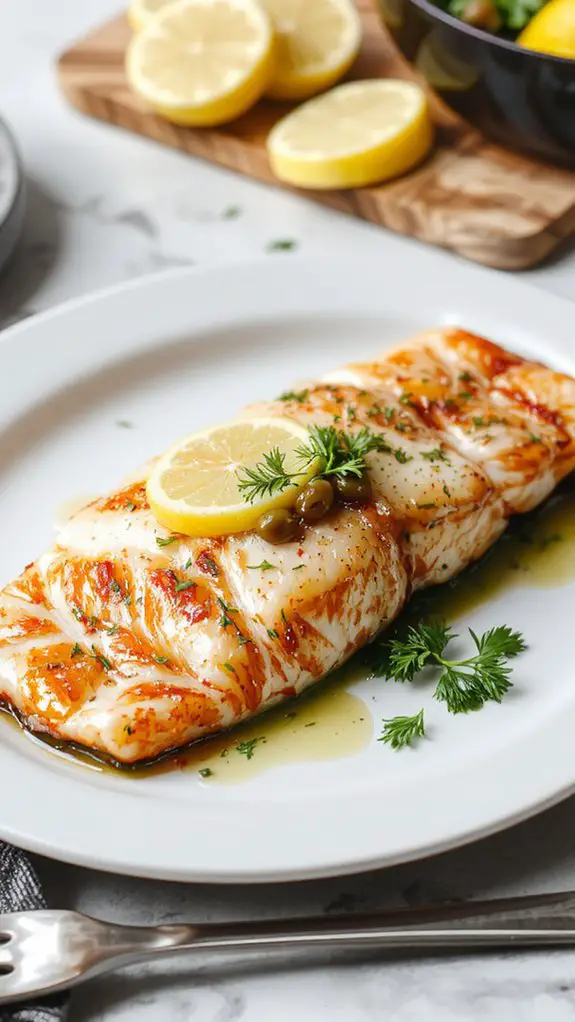
• *Flip the fillets and cook for an additional 2-3 minutes.* The flesh side cooks faster, so keep an eye on it to avoid overcooking.
The fish should flake easily with a fork when done.
• *Remove and let rest for 2 minutes.* Resting guarantees the juices redistribute, keeping the fish moist and tender.
• *Serve immediately with lemon wedges or your favorite sauce.* Red snapper pairs beautifully with a simple squeeze of lemon or a tangy herb sauce.
Nutrition
This red snapper recipe is packed with essential nutrients. Here’s the nutritional breakdown per serving:
| Nutrient | Amount per Serving |
|---|---|
| Calories | 220 kcal |
| Protein | 35 g |
| Fat | 7 g |
| Carbohydrates | 2 g |
| Fiber | 0 g |
| Sodium | 400 mg |
Chef Tips
When preparing this red snapper dish, I always recommend using the freshest fish you can find, as it makes a noticeable difference in flavor and texture.
Pat the fillets dry before seasoning to guarantee a crisp sear. Don’t overcrowd the pan—this helps achieve a golden crust.
Let the fish rest for a couple of minutes after cooking to allow the juices to redistribute evenly throughout.
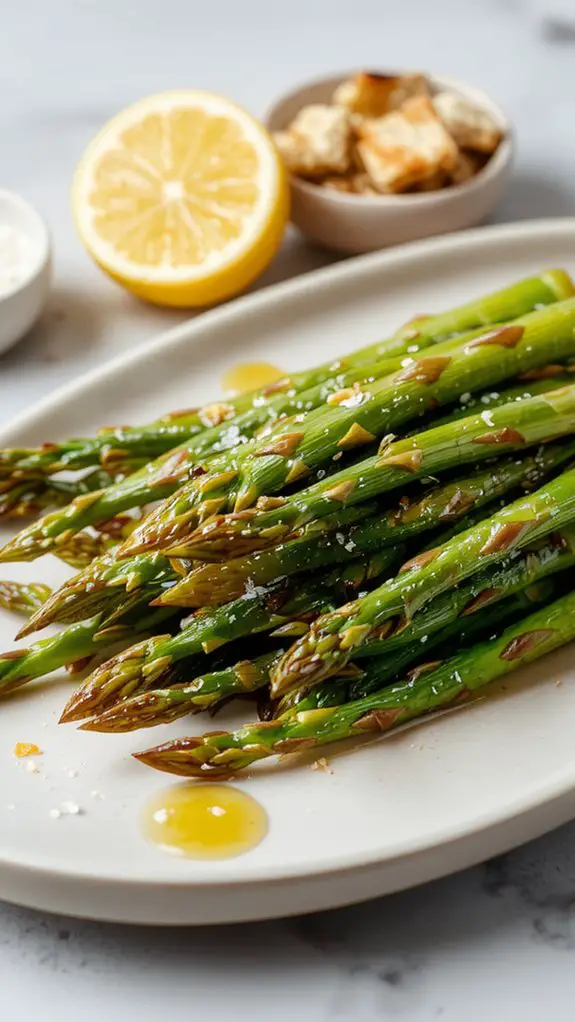
What to Serve With This Recipe

Leave a Review or Ask a Question
Your rating, tips, and questions help other home cooks. Tell us how it turned out or ask anything before you make it.